Fresh flowers can brighten a room for a week or more, but only if they are looked after. The good news is that flower care is simple. A few minutes when they arrive, and a quick check each day after that, can add several days to the life of your bouquet.
Here is what to do, step by step, along with care tips for some of the most popular flowers.
What to do when your flowers arrive
Get your flowers into water as soon as you can. If your bouquet came with a water pack or aqua box, it can stay in this for a few hours, but a vase is better in the long run.
Get your vase ready first, then unwrap the bouquet carefully and loosen any ties that hold the stems too tightly. This keeps the stems out of water for as little time as possible.
Choose and clean the right vase
Pick a vase that is roughly half the height of your flowers, so the stems are supported and the blooms have room to open. Wash it well with hot, soapy water before you use it. Old water and residue carry bacteria, which block the stems and make flowers wilt early. Rinse it thoroughly so no soap is left behind.
How to cut flower stems
Trim about two centimetres from the bottom of each stem with sharp scissors, secateurs or a knife. Cut at an angle. This gives the stem a larger surface to drink through and stops it sitting flat on the bottom of the vase.
Avoid blunt scissors, as they crush the stems and make it harder for water to travel up. A clean, sharp cut matters even more for woody stems such as roses and hydrangeas.
Remove leaves below the water line
Strip off any leaves that would sit under the water. Leaves rot quickly when they are submerged, which clouds the water and spreads bacteria to the stems. Clear water is one of the simplest ways to help your flowers last.
Does flower food make a difference?
Yes. Flower food contains sugar to feed the flowers, along with ingredients that keep bacteria down and help the stems take up water. If your bouquet comes with a sachet, mix it into the vase water following the instructions on the packet.
If you do not have any, a teaspoon of sugar and a few drops of white vinegar is a simple homemade option. It is not quite as good as proper flower food, but it works better than plain water.
How often should you change the water?
Change the water every day or two, and straight away if it looks cloudy or smells. Morning is a good time to do it, as you can check the flowers at the same time. Ordinary tap water is fine, as long as it is clean and cool. In a hard water area, letting the water stand for a while before you use it can help.
Re-trim the stems every few days
Every two or three days, take the flowers out, trim another small piece from each stem and put them back in fresh water. Over time the cut ends dry out and seal over, so a fresh cut helps them keep drinking.
The best place to put your flowers
Flowers last longest in a cool spot out of direct sunlight. Keep them away from radiators, ovens, sunny windowsills and draughts, which all make them dry out and wilt faster.
Keep them away from the fruit bowl, too. Ripening fruit, especially bananas and apples, gives off a gas called ethylene that makes flowers age more quickly. If you are choosing flowers with a long vase life in mind, our bouquet guide can help.
Care tips for popular flowers
- Roses: if a head starts to droop, re-cut the stem and stand it in deep, cool water for an hour or two.
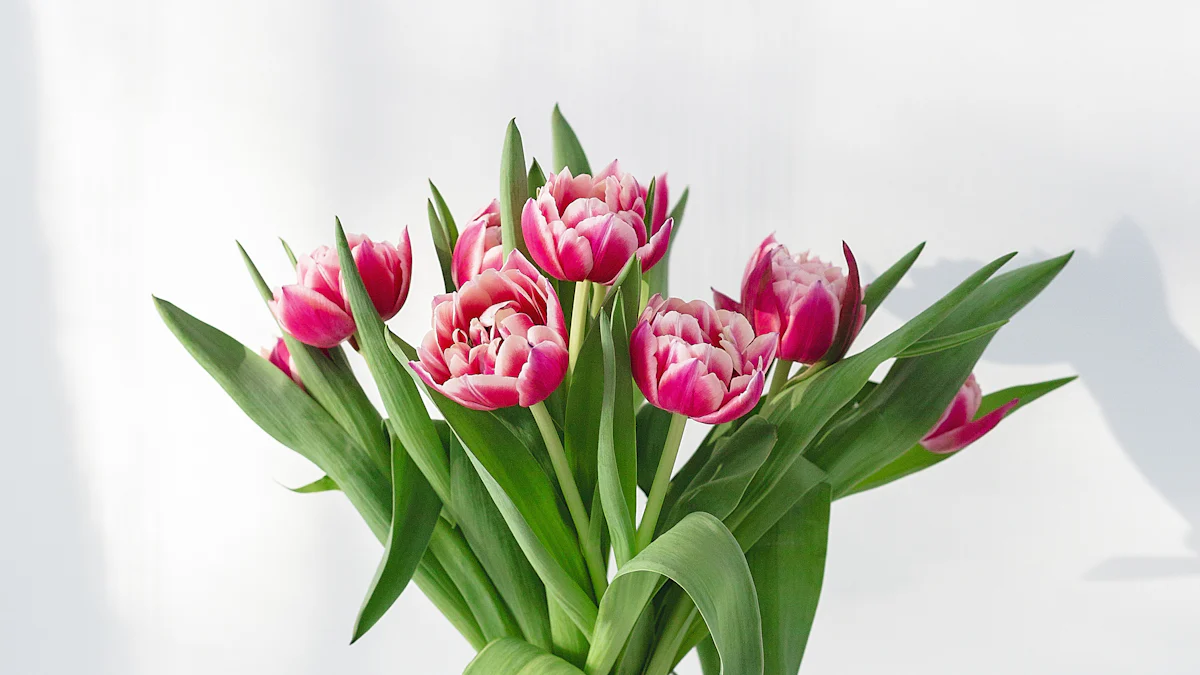
- Tulips: they keep growing after they are cut and bend towards the light, so turn the vase each day to keep them upright.
- Lilies: gently remove the orange pollen as the flowers open. It stains clothes and tablecloths, and lilies are toxic to cats.
- Daffodils: their sap can shorten the life of other flowers, so stand them in water on their own for a few hours before mixing.
- Hydrangeas: they drink through their petals as well as their stems, so a light mist of water helps keep them fresh.
Can you revive drooping flowers?
Often, yes. Re-cut the stems at an angle and stand the flowers in deep, cool water for an hour or two. For roses, wrapping the heads loosely in paper while they drink helps keep them upright. If a flower is still limp after this, it is probably past its best and should come out of the vase.
Flower care myths to ignore
You may have heard that a copper coin, an aspirin or a splash of lemonade will keep flowers fresh. There is little evidence that coins or aspirin make any real difference, and sugary drinks can encourage bacteria if you use too much. A tiny drop of household bleach can slow bacteria down, but too much damages the stems. Proper flower food, clean water and regular trimming work far better.
How long do cut flowers last?
With good care, most mixed bouquets last around five to seven days, and some flowers last much longer. As a rough guide:
- Carnations and chrysanthemums: up to two or three weeks
- Alstroemeria: around two weeks
- Lilies: one to two weeks
- Roses and tulips: around five to seven days
Take out any flowers that start to fade, as they can shorten the life of the rest of the bouquet.
A quick daily care checklist
- Top up or change the water
- Remove any wilted flowers or leaves
- Check the vase is away from heat, sun and fruit
- Re-trim the stems every two or three days
Stick to these simple steps and you will get the most out of every bouquet.